Overview of 2024 Florida Condo Law Reforms
Florida’s 2024 condo reforms, codified in HB 1021, mandate board education, structural checks for older units, reserve fund transparency, fire‑safety upgrades, and federal corporate disclosure. These measures aim to boost safety, accountability, and owner confidence. for residents.

Board Member Education Requirement – July 1, 2024
Since July 1, 2024, Florida’s new condominium statutes require every board member of a Chapter 718 association to complete a state‑approved educational course. The course, administered by the Florida Department of Business and Professional Regulation, covers fiduciary duties, statutory obligations, conflict‑of‑interest rules, and best‑practice governance. Each member must finish the initial 8‑hour module and then renew every two years with a 2‑hour continuing‑education segment. Failure to comply triggers a 30‑day notice from the board, and persistent non‑compliance can lead to removal or a court‑ordered replacement. The education requirement is designed to reduce litigation, improve decision‑making, and align board actions with the latest legal and safety standards. For owners, the requirement means more informed leadership, clearer communication, and a higher likelihood that board decisions reflect both legal compliance and community interests. The law also allows associations to use accredited online platforms, making the process accessible and cost‑effective while maintaining rigorous assessment standards. Compliance records must be filed with the county clerk and made available to unit owners upon request. This transparency initiative helps owners verify that their board is meeting its statutory obligations and encourages a culture of accountability within the condominium community. Additionally, the statute provides that if a board member fails to complete the required education, the association may impose a temporary suspension of voting rights until compliance is achieved. This safeguard ensures that decisions are made by fully informed individuals, thereby protecting the financial and structural integrity of the community. The educational content also emphasizes the importance of maintaining accurate financial records, conducting fair assessments, and adhering to the Florida Condominium Statutes’ provisions on meeting minutes and notice requirements. By mandating ongoing education, the law seeks to create a more resilient governance framework that can adapt to evolving risks and regulatory changes; Moreover, the statute mandates that educational materials be reviewed every five years to reflect new legal precedents and industry best practices. Board members are encouraged to attend peer‑review workshops. These efforts help associations navigate complex regulatory issues and protect residents’ interests. The requirement also includes a mandatory ethics module covering conflict resolution, fiduciary responsibility, and transparent communication with unit owners. —…!

House Bill 1021 (HB 1021) – Key Provisions
HB 1021 updates Chapter 718, adds board education, mandatory structural checks, reserve fund transparency, fire‑safety upgrades, and federal corporate disclosure. It also sets new reporting standards, funding mechanisms, and enforcement protocols. The bill boosts transparencyfor owner
Amendments to Chapter 718 (Condominium Statutes)
HB 1021 introduces several critical amendments to Chapter 718, reshaping Florida’s condominium governance framework. First, it codifies a mandatory education requirement for all board members, effective July 1, 2024, mandating a minimum of 12 hours of approved coursework covering fiduciary duties, financial stewardship, and statutory compliance. This education must be documented and renewed biennially. Second, the amendments overhaul the bylaws and meeting provisions, requiring that all meetings be held at least quarterly, with a minimum of 48 hours written notice to unit owners and a public posting of agendas and minutes. Third, the bill expands the scope of the statutory reserve fund, mandating that reserves be calculated using a standardized actuarial model and that a reserve study be conducted every five years. Fourth, it imposes stricter disclosure obligations, requiring that reserve fund balances, pending assessments, and financial statements be made publicly available on the association’s website. Fifth, the amendments introduce a new “structural integrity” clause, obligating associations to conduct a comprehensive structural inspection of buildings older than 25 years, with findings reported to the Florida Department of Business and Professional Regulation. Finally, the bill enhances enforcement by granting the Department the authority to audit associations, impose penalties for non‑compliance, and, in extreme cases, remove board members who fail to meet the education or disclosure standards. These changes collectively aim to increase transparency, accountability, and owner protection across Florida’s condominium community.

Mandatory Structural Inspections for Older Buildings
All condos built before 1999 must undergo a certified structural assessment every five years. Findings are filed with the Florida Department of Business and Professional Regulation and posted on the association’s website. Failure to comply triggers fines and board removal See details
Inspection Frequency and Reporting Requirements
Under HB 1021, condominium associations built before 1999 must submit a structural inspection report to the Florida Department of Business and Professional Regulation (DBPR) every five years. The initial inspection must occur within 12 months of the law’s effective date, and subsequent reports must be filed no later than the anniversary of the previous submission. Each report must include a certified engineer’s written statement, a detailed condition assessment of load‑bearing walls, foundations, and roof systems, and any remedial action plans. Associations are required to post the most recent report on their official website and provide a hard copy to each unit owner within 30 days of filing. Failure to comply can result in a civil penalty of up to $5,000 per violation and may trigger a mandatory audit by the DBPR. Additionally, if the engineer identifies a critical defect, the association must notify the DBPR within 10 days and submit a corrective action plan within 60 days. The DBPR will review the plan and may require a follow‑up inspection within 90 days to verify compliance. These requirements aim to ensure transparency and proactive maintenance of older structures. The report must also evaluate seismic resilience, fire suppression integrity, and compliance with the latest Florida Building Code amendments, ensuring older condos meet contemporary safety standards.daily.OK!

Reserve Fund Reforms and Transparency
Florida’s 2024 reforms raise reserve fund standards, requiring a 20% minimum balance of projected capital costs and quarterly audited statements. Associations must disclose fund allocations, projected deficits, and funding plans to owners via annual reports and a dedicated portal
Minimum Reserve Fund Requirements and Disclosure Standards
Under HB 1021, every condominium association must maintain a reserve fund equal to at least 20 % of the projected capital improvement costs for the next 10 years. The fund must be split into a “maintenance” and a “capital” component, each audited annually by a licensed CPA. Associations are required to publish a detailed reserve study, including projected expense schedules, funding gaps, and a contingency plan, in a publicly accessible online portal and in hard‑copy form at the association office. The study must be updated every two years or when a significant change in projected costs occurs. Board members must approve the reserve study and any changes to the funding schedule, and owners receive a copy of the updated study within 30 days of approval. Failure to comply triggers a 10 % penalty on the association’s annual dues and may result in state enforcement action. The new disclosure standards also mandate that owners receive a quarterly summary of reserve fund balances, interest earned, and any deviations from the projected plan. These measures aim to enhance transparency, prevent shortfalls, and protect owners from unexpected special assessments.
These provisions require that reserve studies be reviewed by an auditor every five years, with findings made available on the association’s website and in mailed notices. Owners may request a copy of the auditor’s report at any time, ensuring oversight and accountability. daily file

Funding Mechanisms for Reserve Funds

HB 1021 introduces a comprehensive overhaul of Florida’s condominium statutes, targeting governance, safety, and financial stewardship. The law mandates that every board member complete a 12‑hour education module by July 1, 2024, followed by a 6‑month continuing‑education requirement to keep boards current on legal and fiduciary duties. Structural integrity is now a priority: owners of buildings built before 1995 must undergo a full structural inspection every five years, with findings reported to the board and the state’s Department of Business and Professional Regulation. Reserve funds are redefined to require a 20 % capital reserve for projected 10‑year improvements, and a 10 % maintenance reserve for routine upkeep, both audited annually by a licensed CPA. Boards must publish a detailed reserve study online and in hard‑copy form, updating it biennially or when significant cost changes occur. The new framework also introduces a dedicated reserve sub‑account for high‑impact projects, ensuring critical infrastructure receives timely funding without disrupting routine operations. Fire safety codes are tightened, with mandatory smoke‑detector upgrades, sprinkler system retrofits, and annual fire‑drill certifications. Additionally, the Federal Corporate Transparency Act now requires condo associations to disclose beneficial ownership information to the state, with non‑compliance resulting in penalties and potential audits. For full details, see the official PDF.

Federal Corporate Transparency Act Impact on Condo Associations
Under the Federal Corporate Transparency Act, Florida condo associations must file beneficial ownership data with the state, detailing owners holding 25% or more equity. Failure to comply triggers fines, audit risk, and potential legal action, ensuring transparency and accountability!!!
Reporting Obligations and Legal Consequences
Condominium associations in Florida are now required to submit annual beneficial ownership reports to the Department of State’s Division of Corporations, listing any individual who owns 25% or more of the association’s voting shares or has significant control. The filing must include full legal names, addresses, dates of birth, and ownership percentages, and must be updated within 30 days of any change. Failure to file or to update records can result in civil penalties up to $500 per day, automatic suspension of the association’s authority to conduct business, and potential civil litigation from owners or state agencies. Additionally, non‑compliance may trigger enforcement actions under the Federal Corporate Transparency Act, including fines of up to $10,000 per violation and, in extreme cases, criminal prosecution for willful concealment. These consequences underscore the importance of timely, accurate reporting to maintain legal standing and protect the association’s governance structure. Compliance records must be stored for five years ever and are subject to audit by the Florida Department of Business and Professional Regulation. Failure to comply can trigger claims, penalties, and may invalidate contracts if ownership data is inaccurate. Board members must certify annually that all filings are current, and any discrepancies must be corrected within 30 days to avoid enforcement action.
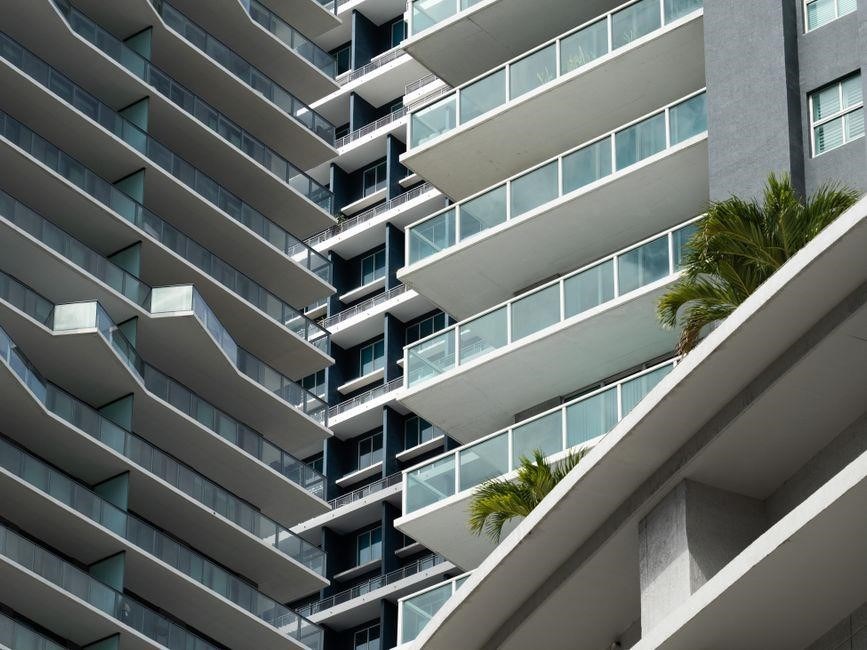
Updated Fire Prevention and Safety Code Requirements
New code requires condominiums to install fire‑resistant envelopes, upgrade sprinklers to NFPA 13D, and hold annual fire drills. Boards must file compliance reports within 90 days, or face fines up to $2,000 per violation!
New Fire Safety Standards and Enforcement Procedures
Florida’s 2024 fire safety overhaul introduces mandatory fire‑resistant cladding for all multi‑unit buildings, requires sprinklers to meet NFPA 13D, and mandates automatic fire alarm systems linked to local fire departments. Boards must conduct annual fire‑risk assessments, submit a compliance certificate within 90 days of non‑compliance, and maintain a publicly accessible fire‑safety log. Failure to comply triggers a tiered penalty: a $500 fine per day of non‑compliance, mandatory corrective action plans, and potential suspension of association approval for new units. Enforcement is carried out by the Florida Department of Business and Professional Regulation, which will conduct surprise inspections and can impose civil penalties up to $10,000 per violation. Owners can file complaints through the state’s online portal, and the department will issue a 30‑day notice to cure before proceeding with fines. The new code also allows for community‑wide fire drills every six months, with documentation required for insurance purposes. These measures aim to reduce fire incidents, protect residents, and streamline enforcement across the state.
The Department will issue a 30‑day notice to cure before proceeding with fines. Boards must file a plan within 60 days, and failure to comply may result in suspension of association approval. Residents can appeal decisions in state court!

Accessing and Distributing Official PDF Documents
PDFs are on Florida Legislature site, the Administrative Code portal, the Department of Business and Professional Regulation. Distribute via secure links, embed in association portals, email with checksum to verify integrity
Official Sources and Distribution Best Practices
For the most accurate and up‑to‑date PDF copies of the 2024 Florida condominium statutes, the primary source is the Florida Legislature’s official website (www.flsenate.gov). The “Legislation” section hosts the full text of HB 1021, including all amendments to Chapter 718, in PDF format. The Florida Administrative Code (www.flrules.org) also provides the codified regulations, which are updated weekly to reflect the latest statutory changes. The Department of Business and Professional Regulation (www.myfloridalicense.com) publishes the “Florida Statutes” PDF, which incorporates the new provisions and offers searchable text for quick reference. Additionally, the Florida Department of State’s “Florida Statutes” portal (www.leg.state.fl.us) hosts a downloadable PDF of the entire statute book, including the 2024 amendments.
To streamline compliance, the association’s website should host a dedicated “Legal & Regulatory” section where PDFs are stored in a version‑controlled repository. Each file must be labeled with the effective date, amendment number, and a brief summary. Board members should receive automated email alerts when new PDFs are uploaded, and residents should have the option to download the latest documents directly. Additionally, the association should maintain a searchable index that cross‑references key terms such as “reserve fund,” “structural inspection,” and “fire safety.” This approach not only satisfies the statutory disclosure requirements but also promotes transparency and facilitates audit readiness. Board members should also conduct annual reviews of the PDF repository to ensure that all documents are up to date and that any changes in the statutes are promptly reflected. The association’s compliance officer is responsible for verifying that the PDFs meet the formatting standards set by the Florida Department of State and for coordinating with legal counsel to address any ambiguities in the statutes. Finally, the association should publish a guide summarizing key statutory changes, residents can understand how the new laws affect their rights and responsibilities.