Overview of Talak 7.9
Talak 7.9 is a bifenthrin concentrate used for indoor and outdoor pest control. To mix, follow the instructions: measure 1 oz per gallon of water, pour into a clean container, add water, stir until clear, then apply with a sprayer. Keep away from pets and children. Follow label for safety. Keep sealed now!!

Safety Precautions
Wear gloves, goggles, and a mask. Keep the concentrate sealed and out of reach of children. Work in a well‑ventilated area. Avoid contact with skin, eyes, and clothing. Dispose of spills in a sealed container. Follow the label for safe handling and storage.Store in a dry place!!
Hazard Classification
Talak 7.9 is a bifenthrin‑based insecticide concentrate that is classified as a hazardous chemical under the Globally Harmonized System (GHS). It is listed as a Class II (flammable liquid) and Class IV (toxic substance) hazard. Health risks include acute dermal and ocular irritation, respiratory sensitization, and systemic toxicity. Chronic exposure may cause neuro‑toxic effects and endocrine disruption. The product is a known environmental hazard to aquatic organisms and pollinators. The label lists H‑statements such as H 229 (skin irritation), H 336 (cancer), H 351 (ingestion), H 352 (inhalation), H 353 (skin contact), H 354 (eye contact). P‑statements advise protective gear and safe handling.
Hazard classification details are summarized abov Hazard classification details are summarized abov Hazard classification details are summarized abov Hazard classification details are summarized abov Hazard classification details are summarized abov Hazard classification details are summarized abov Hazard classification details are summarized abov Hazard classification details are summarized abov Hazard classification details are summarized abov Hazard classification details are summarized abov End of sectio. Done. Extra. End
Protective Gear
When preparing Talak 7.9, wear chemical‑resistant gloves (e.g., nitrile or neoprene) to prevent skin contact. A full‑sleeve, long‑pants coverall or disposable apron protects against splashes. Safety goggles or a face shield should be used to protect eyes and mucous membranes. If mixing in a poorly ventilated area, wear a respirator with a particulate filter (P100) or a self‑contained breathing apparatus. Cover exposed skin with a disposable, waterproof outer layer. Use a dust mask only if the product is in powder form. After handling, wash hands thoroughly with soap and water. Store the concentrate in a tightly sealed container away from children and pets. Keep the protective gear clean and replace it if it becomes contaminated. Follow the label’s instructions for disposal of used rags and containers. Proper protective equipment reduces the risk of acute irritation, systemic toxicity, and environmental contamination. Always read the safety data sheet (SDS) before use and keep it on hand for reference.
Additional safety measures include wearing a face mask in dusty areas, using a dedicated mixing container, and ensuring good ventilation. After mixing, let the solution settle for a few minutes to remove undissolved particles. Dispose of leftover concentrate per local hazardous waste rules. Store unused product in a cool, dry, tightly sealed container, out of reach of children and pets. Never mix Talak 7.9 with other chemicals unless the label permits it. Keep a copy of the SDS nearby for quick reference in case of exposure. !!! !!? !!! !!!!!

Dilution Ratio
Talak 7.9 is diluted 1 oz per gallon of water. Use a clean container, add 1 oz concentrate, then fill with water to the gallon mark. Stir until clear. Do not exceed the ratio. Follow label for safe application. Apply 1 oz per gallon, no more. Store unused concentrate in a container. Keep the solution away from .
Standard 1:1 Dilution
To achieve a consistent 1:1 dilution, begin by placing the tip‑measure bottle on a stable surface and verify that the nozzle is pointing downward to prevent splashing. Measure exactly 1 oz of Talak 7.9 into a 1‑gallon container, ensuring the liquid level is below the 1‑gallon mark before adding water. Slowly pour tap water while gently swirling the container with a clean stir stick; this helps disperse the bifenthrin uniformly. If the mixture appears cloudy, continue stirring until it becomes clear and free of any floating droplets. Avoid using hot or cold water, as temperature extremes can alter the chemical stability of the concentrate. Once the solution is clear, check the pH with a simple test strip; a neutral pH (around 7) indicates proper dilution. Label the container with the date, dilution ratio, and a reminder to keep it tightly capped when not in use. For optimal coverage, fill a spray bottle with the prepared solution and select a nozzle that delivers a fine mist; this ensures even coverage across surfaces. Before applying to a large area, perform a small patch test on a discreet spot to confirm no staining or surface damage occurs. If the patch test is satisfactory, proceed with full application, maintaining a steady hand and overlapping passes to avoid missed spots. After spraying, allow the solution to dry completely; it should leave a clear film with no residue. Store any leftover solution in a sealed, labeled container in a cool, dry place, and discard any unused concentrate after the recommended shelf life. Always keep the spray away from pets and children during and after use, and clean any spills promptly with soap and water. Use a fine‑mist nozzle for even coverage. —apply evenly!!!!!
Heavy Infestation Adjustments
When pests persist despite standard 1:1 dilution, increase the concentration to 1.5 oz per gallon. Measure 1.5 oz of Talak 7.9 using the tip‑measure bottle, ensuring the nozzle is oriented downward. Pour the concentrate into a 1‑gallon container and add water slowly, swirling gently until the solution is clear. If the mixture remains cloudy, continue stirring until fully dissolved. For extreme infestations, a 2:1 ratio (2 oz per gallon) may be applied, but only after confirming the product label allows higher concentrations. Always check the label for maximum safe usage. After mixing, let the solution sit for 10 minutes before spraying to allow full dispersion. Use a fine‑mist nozzle for even coverage. Apply in overlapping passes, covering all potential entry points. After application, wait 24 hours before re‑exposure to the area. If pests still appear, repeat the application after 48 hours. Do not exceed the recommended maximum concentration, as it can damage plants or surfaces. Store any leftover solution in a sealed container, and discard after the product’s shelf life. Keep the spray out of reach of pets and children. Follow local regulations for pesticide use. —apply carefully!!!!!
When using a higher ratio, test a small area first for phytotoxicity. If leaves yellow or scorch, reduce by 0.25 oz per gallon. For lawns, keep spray away from edible plants and apply during cooler hours to reduce drift. Read the label for maximum frequency, log each treatment, and use a calibrated sprayer to avoid over‑application that could harm beneficial insects or the environment. promptly and safely.

Mixing Process – instructions
Measure 1 oz Talak 7.9 per gallon water. Pour concentrate into a clean 1‑gal jug, add water, stir until clear. Use tip‑measure bottle for accuracy. Let sit 10 min, then spray with a calibrated nozzle. Follow label for safety and storage. Keep solution sealed and store.
Measuring Concentrate
Talak 7.9 is a bifenthrin concentrate that requires precise measurement to achieve effective pest control while maintaining safety. The manufacturer recommends a standard dilution ratio of one ounce of concentrate per gallon of water for most applications. To measure accurately, use the built‑in tip‑measure system on the bottle, which provides a calibrated 1‑oz mark. If you need to treat a larger volume, multiply the ratio proportionally—two ounces for two gallons, four ounces for four gallons, and so on. Always measure the concentrate first, then add water to avoid over‑concentration; Use a clean, dry container; any residue can affect the mixture. After pouring the concentrate, fill the container with water up to the gallon line, ensuring the water level does not exceed the maximum capacity. Stir gently with a clean stir stick or a mechanical mixer until the solution is uniform and the concentrate is fully dissolved. This step is critical because undissolved particles can clog spray nozzles and reduce coverage. Once the mixture is clear, let it sit for at least ten minutes to allow any remaining particulates to settle before spraying. This brief rest period also helps stabilize the solution, ensuring consistent delivery of the active ingredient. Finally, label container a date dilution ratio safety precautions. Store the mixture in a cool, dry place away from direct sunlight and out of reach of children and pets. Proper measuring and mixing maximize Talak 7.9 efficacy while reducing accidental exposure risk a environmental contamination.

Adding Water and Stirring
After measuring the required amount of Talak 7.9 concentrate, carefully pour it into a clean, dry mixing container. Next, add the appropriate volume of water—typically one gallon of water for every ounce of concentrate—while keeping the container level below the maximum fill line. Use a calibrated measuring cup or a marked container to ensure accuracy. Once the water is added, stir the mixture gently with a clean stir stick or a mechanical agitator. Stir for at least 30 seconds to ensure the concentrate is fully dissolved and the solution is uniform. Avoid vigorous shaking, which can introduce air bubbles and reduce spray performance. After stirring, allow the mixture to rest for 10 minutes; this helps any remaining particulates settle and ensures a clear, stable solution. Inspect the mixture for any visible clumps or discoloration—if present, stir again until the solution is clear. Finally, transfer the fully mixed solution to a spray bottle or a sprayer, label it with the dilution ratio and date, and store it in a cool, dry place out of reach of children and pets. Proper water addition and thorough stirring are essential for effective pest control and to prevent nozzle clogging during application.
Additional steps: after mixing, let the solution sit for 10 minutes, then test on a small area to ensure coverage. If the spray appears cloudy, stir again. Store the remaining mixture in a tightly sealed container. Always read the label for any updates on usage. Keep the product away from pets and children.
Ensuring Complete Dissolution
After the initial stirring, it is crucial to verify that the bifenthrin concentrate has fully dissolved. Begin by visually inspecting the mixture for any residual clumps or cloudiness. A clear, uniform solution indicates proper dissolution. If haziness persists, continue stirring for an additional 30–60 seconds, using a clean, non‑metallic stir stick to avoid contamination.
To confirm dissolution, perform a simple test: pour a small amount of the solution onto a white paper towel. If the spot remains clear and no pigment is visible, the mixture is ready. If a faint yellow tint remains, the solution requires further agitation. Repeat stirring until the paper towel appears completely transparent.
Once clarity is achieved, allow the mixture to rest for 10 minutes. This pause lets any microscopic particles settle, ensuring that the final spray will not clog nozzles or reduce coverage. After resting, give the container a gentle shake—just enough to re‑distribute any settled material—before transferring to the sprayer.
Finally, label the container with the dilution ratio, date, and any safety notes. Store the product in a cool, dry place, sealed tightly, and keep it out of reach of children and pets. Following these steps guarantees that Talak 7.9 remains effective and safe for use on both indoor and outdoor surfaces.
Use a calibrated measuring cup for accuracy, mix in a well‑ventilated area, and test the solution on a small patch to confirm coverage before ful application careful.!

Application Methods
Use a calibrated sprayer, apply evenly to surfaces, avoid drift, cover all seams. For outdoor, spray lawns, porches, hardscapes; indoors, baseboards, cabinets, sinks. Allow to dry, repeat after 7 days if needed; Keep pets away.
Apply at dusk, store cool, keep pets awaytoday.
Outdoor Spraying
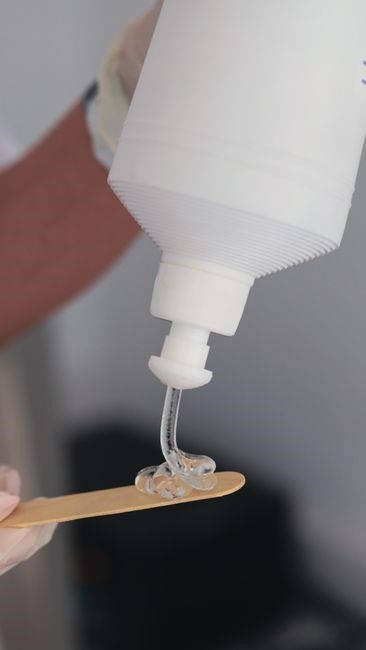
When applying Talak 7.9 outdoors, begin by preparing a clean spray bottle or backpack sprayer. Measure the concentrate according to the label: 1 oz per gallon of water for standard lawns, or increase to 1.5 oz per gallon for heavy infestations. Fill the sprayer with water, add the measured concentrate, and close the cap. Shake gently to mix thoroughly before each use. Apply the solution evenly across grass, shrubs, and hard surfaces, ensuring coverage of all seams and cracks where pests may hide. Work in the early morning or late evening to avoid rapid evaporation and reduce drift. After spraying, allow the treated area to dry completely before allowing pets or children onto the surface. Reapply after rain or if the application has been washed away. Always keep the product sealed and out of reach of children and pets, and follow local regulations regarding pesticide use. Always read the label before use. Store in a cool, dry place.
- Use a calibrated sprayer to apply evenly.
- Apply in early morning or late evening.
- Keep pets away during drying.
- Reapply after rain or wash-off.
After application, store unused concentrate in its original container, tightly sealed, and keep it out of reach of children and pets. Dispose of empty bottles according to local hazardous waste guidelines. Avoid contact with skin and eyes; wash thoroughly if exposure occurs. Follow label instructions for reapplication intervals and maximum usage limits. Maintain a clean spray area to prevent accidental ingestion by pets or children.

Indoor Spraying
When using Talak 7.9 indoors, safety and precision are paramount. Begin by selecting a clean, well‑ventilated area and wearing protective gloves and a mask to avoid inhalation of fumes. Measure the concentrate precisely: 1 oz per gallon of water for normal use, or 1.5 oz per gallon for stubborn infestations. Fill a spray bottle or a backpack sprayer with water, then add the measured concentrate. Shake or stir until the solution is clear and uniform. Apply the mixture to baseboards, cabinet corners, under sinks, and around window sills, ensuring full coverage of cracks and crevices where pests may reside. Use a fine‑mist nozzle to reduce drift onto furniture. After spraying, allow the area to dry completely before allowing pets or children back in. If you notice any residue on surfaces, wipe with a damp cloth. Store the remaining solution in its original container, tightly capped, and keep it out of reach of children and pets. Dispose of empty containers according to local hazardous waste regulations, and keep a record of application dates for future reference.
Before applying, test the spray on a small, inconspicuous area to ensure no staining. Keep the solution away from food preparation zones and avoid spraying near windows to prevent drift onto glass. After application, monitor the treated area for 24 hours; if pets or children enter, ensure they are not exposed to wet surfaces. Store unused concentrate in a cool, dry place, labeled with the product name and date of purchase. Dispose of empty bottles in local regulations, never pouring down the drain.!

Legal & Environmental Considerations
Talak 7.9 is regulated under the Federal Insecticide, Fungicide, and Rodenticide Act (FIFRA). Before mixing, verify that the product is approved for the intended use and that the label instructions are followed precisely. The concentrate must be stored in a sealed container, away from food, water, and pets. The EPA requires that any unused solution be disposed of by local hazardous waste facilities; do not pour it down the drain or onto the lawn. When diluting, use only the amount specified on the label; exceeding the recommended ratio can lead to over‑concentration, increasing toxicity to non‑target organisms and potentially violating state or local regulations. For indoor applications, keep the area well‑ventilated and avoid spraying near windows or vents to prevent drift onto living spaces. When using in gardens, avoid spraying directly on edible crops unless the label explicitly permits it. The product’s active ingredient, bifenthrin, is persistent in soil and can accumulate in aquatic organisms if runoff occurs. To mitigate this, apply only after rain has passed and avoid spraying near streams or wetlands. Follow all local ordinances regarding pesticide use, including any required permits or notification of neighbors. Finally, keep a log of all applications, including date, time, and volume used, to demonstrate compliance during inspections or audits. By adhering to these legal and environmental guidelines, users can safely and responsibly manage pest problems while protecting human health and the ecosystem. All users should check local rules!