Simpson Pressure Washer Manual: A Comprehensive Guide
This manual provides essential instructions for safe operation, maintenance, and troubleshooting of your Simpson gas pressure washer, ensuring optimal performance and longevity.
Simpson Cleaning Systems has been a trusted name in pressure washers for over four decades, delivering reliable and powerful cleaning solutions. This manual is designed to guide you through the proper use and care of your new Simpson machine, maximizing its efficiency and lifespan.
From residential to commercial applications, Simpson offers a diverse range of models to tackle various cleaning tasks. Understanding your specific model and adhering to the safety guidelines outlined within this manual are crucial.
Thank you for choosing Simpson; we are confident this pressure washer will provide years of dependable service. Refer to www.simpsoncleaningsystems.com for additional resources and support.
Understanding Your Model
Your Simpson pressure washer, such as the CM61083 Clean Machine, is equipped with specific components designed for optimal performance. Familiarize yourself with the engine, pump, hose, wand, and various nozzles included. Photographs and line drawings within this manual illustrate these parts.
Knowing the water supply requirements is vital; ensure your system can deliver the necessary gallons per minute (GPM) to avoid low pressure.
This manual details the unique features of your model, including pressure settings and accessory compatibility. Carefully review these details before operation to ensure safe and effective cleaning. Proper understanding prevents damage and maximizes cleaning power.
Safety Precautions
Failure to follow instructions and safety precautions can lead to property damage, serious injury, and even death; always prioritize safe operation.
General Safety Rules
Always read the entire manual before operating your Simpson pressure washer to understand all safety precautions and operating procedures. Wear appropriate personal protective equipment, including eye protection and closed-toe shoes, during operation. Never point the wand at yourself or others.
Maintain a safe distance from the spray pattern, and be aware of your surroundings. Do not modify the pressure washer in any way, as this could compromise safety. Ensure the area is well-ventilated when operating a gas-powered model. Keep children and pets away from the operating area.
Never operate the pressure washer when fatigued or under the influence of drugs or alcohol. Disconnect the power source before performing any maintenance or repairs. Always follow local regulations regarding noise levels and environmental protection.
Specific Safety Instructions for Pressure Washers
Never attempt to repair the pump, carburetor, or fuel system yourself; seek professional assistance. Be cautious of hot surfaces, especially the engine exhaust. Avoid spraying electrical components or wiring. Ensure the water supply is clean and free of debris to prevent clogging and damage.
Inspect the hose for cracks or damage before each use. Do not use extension cords unless absolutely necessary, and ensure they are properly rated for outdoor use. Always release pressure before disconnecting the hose or nozzles. Never leave the pressure washer unattended while running.
Properly winterize the unit to prevent freeze damage. Failure to follow these instructions can result in serious injury or property damage.

Assembly and Setup
Carefully unbox all components, identifying each part before proceeding with hose connections and nozzle attachments, following the detailed diagrams in this manual.
Unboxing and Component Identification
Upon receiving your Simpson pressure washer, carefully inspect the box for any shipping damage before opening. Once opened, verify that all listed components are present. These typically include the pressure washer unit itself, a high-pressure hose, a trigger gun, various quick-connect nozzles, a power nozzle, and potentially detergent tanks or applicators.
Refer to the parts diagram within this manual to accurately identify each component. Note the specific model number of your unit, as accessories may vary. Ensure all protective packaging is removed before assembly. Familiarizing yourself with each part now will simplify the setup process and future maintenance procedures, preventing potential issues later on.
Connecting the Hose and Water Supply
Before connecting the high-pressure hose, ensure the pressure washer is switched off. Hand-tighten the hose securely to both the pump outlet and the water inlet on the unit. Connect a standard garden hose to the water inlet, ensuring it’s fully opened to provide adequate water flow.
Insufficient water supply can cause low pressure or pump damage. If your system struggles to deliver the required volume, check for kinks or obstructions in the garden hose. Always use a clean water source; debris can clog the pump. Never draw water from sources contaminated with chemicals or flammable liquids.
Attaching Nozzles and Accessories
Simpson pressure washers come with various nozzles for different cleaning applications. To attach a nozzle, first, ensure the pressure washer is turned off. Align the nozzle with the quick-connect fitting on the spray wand and firmly push until it clicks into place. To remove, depress the retaining collar and pull the nozzle straight out.
Always select the appropriate nozzle for the task; using too powerful a stream can damage surfaces. Other accessories, like soap applicators, attach similarly. Refer to the accessory’s specific instructions for proper installation. Ensure all connections are secure before operation to prevent leaks or disconnections during use.
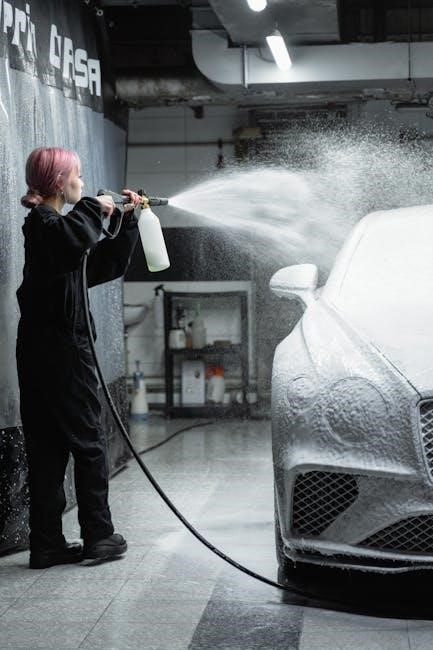
Operating Instructions
Before starting, confirm proper assembly and safety precautions. Begin with low-pressure settings, gradually increasing as needed for effective cleaning, following manual guidelines.
Starting the Engine
Prior to starting, ensure the pressure washer is on a level surface with adequate ventilation. Check the oil level and add if necessary, referencing your manual for specifics. Confirm the fuel tank contains fresh gasoline. Turn the fuel valve to the ‘ON’ position. Slowly pull the starter cord until resistance is felt, then pull briskly to initiate the engine.
If the engine doesn’t start after several attempts, check the spark plug and air filter. A dirty carburetor, as noted in some resources, can also prevent starting, potentially requiring cleaning or professional attention. Allow the engine to warm up briefly before applying full pressure. Always consult the manual for model-specific starting procedures and safety guidelines.
Adjusting Pressure Settings
Pressure adjustment is crucial for effective cleaning without causing damage. Your Simpson pressure washer typically features an adjustable nozzle or a pressure regulator. Begin with the lowest pressure setting and gradually increase it, testing on an inconspicuous area first. Different nozzles deliver varying spray patterns and intensities; select the appropriate nozzle for the task.
Refer to your manual for specific instructions on locating and operating the pressure regulator. Avoid excessively high pressure, especially on delicate surfaces. Insufficient water supply can mimic low pressure, so ensure a consistent water source. Regularly check nozzle functionality to maintain optimal cleaning performance, as clogging can affect pressure output.
Proper Spraying Techniques
Effective cleaning with your Simpson pressure washer relies on correct spraying techniques. Maintain a consistent distance from the surface – typically 8-12 inches – and use smooth, overlapping strokes. Avoid holding the nozzle too close, which can cause damage. Work from top to bottom to prevent streaking and ensure even cleaning.
Always test in an inconspicuous area first. For stubborn dirt, use a wider nozzle angle and move slower. Rinse thoroughly after cleaning. Never point the spray at people, animals, or electrical components. Refer to your manual for specific nozzle recommendations based on the cleaning task. Proper technique maximizes cleaning power and minimizes risk.

Maintenance and Care
Regular maintenance, as outlined in this manual, is crucial for extending the life of your Simpson pressure washer and ensuring peak performance.
Routine Maintenance Schedule
To ensure the longevity and optimal performance of your Simpson pressure washer, adhere to a consistent maintenance schedule. After each use, inspect the hose for damage and ensure all connections are secure. Regularly check the oil level and replenish as needed, following the guidelines in this manual.
Every 25 hours of operation, clean the nozzles to prevent clogging and maintain consistent spray patterns. Inspect the fuel filter and replace it annually, or more frequently if used in dusty conditions. A thorough cleaning of the entire unit, including the pump and engine, should be performed every 50 hours. Following these steps will help prevent common issues and keep your pressure washer running smoothly.
Cleaning the Pressure Washer
Regular cleaning is crucial for maintaining your Simpson pressure washer’s performance and preventing damage. After each use, disconnect the water supply and allow the unit to cool completely. Wipe down the exterior surfaces with a damp cloth to remove dirt and debris.
Pay close attention to the pump and engine areas, ensuring they are free from grime. Periodically flush the water inlet filter to remove sediment. Avoid using harsh chemicals or abrasive cleaners, as these can damage the components. Proper cleaning extends the life of your pressure washer and ensures efficient operation, as detailed in this manual.
Winterizing Your Pressure Washer
Proper winterization prevents freeze damage to your Simpson pressure washer. Before storing for the winter, drain all water from the pump, hose, and wand. Disconnect and store the hose in a frost-free location. Add pressure washer pump protector according to the manual’s instructions to safeguard internal components.
For gas-powered models, stabilize the fuel or drain the fuel tank to prevent fuel line clogging. Cover the pressure washer to protect it from the elements. Following these steps, detailed in this manual, ensures your unit is ready for spring and avoids costly repairs.
Troubleshooting Common Issues
This section details solutions for engine start failures, low pressure, water supply problems, and nozzle clogs, referencing manual instructions for effective repairs.
Engine Won’t Start
If your Simpson CM61083 Clean Machine Gas Pressure Washer engine fails to start, systematically check several components. First, ensure sufficient fuel in the tank and that the fuel shut-off valve is open. A dirty carburetor is a frequent culprit; cleaning or rebuilding it might be necessary, potentially requiring professional assistance.
Verify the spark plug is clean and properly gapped, and that the spark plug wire is securely connected. Low oil levels can also prevent starting – confirm the oil level is within the recommended range as detailed in your manual. Finally, inspect the recoil starter for damage and ensure it engages correctly. Following these instructions will aid in diagnosing and resolving the issue.
Low Pressure Problems
If your Simpson pressure washer delivers insufficient pressure, the water supply is the first area to investigate. Ensure the water source provides adequate volume and pressure as specified in the manual. A restricted water inlet, kinked hose, or clogged water filter can starve the pump.
Inspect the high-pressure hose for damage or blockages. Nozzle clogs are also a common cause; remove and clean all nozzles thoroughly. If the issue persists, the pump itself may be failing, requiring professional inspection. Remember, operating the unit without sufficient water can cause damage, so always verify the water supply before prolonged use, following all instructions.
Water Supply Issues
Consistent water flow is crucial for optimal Simpson pressure washer performance. If the unit fails to draw water, first verify the water source is fully on and provides adequate pressure. Check the inlet screen/filter for obstructions – debris can easily block water intake. Ensure the hose isn’t kinked or crushed, restricting flow.
If the system cannot supply the required water volume, the pressure washer may struggle or fail to start. Air in the pump can also cause issues; consult the manual for priming instructions. Always disconnect the water supply before performing any maintenance, and never operate the unit without water to prevent pump damage.
Nozzle Clogging
Nozzle clogging is a common issue with pressure washers, reducing pressure and spray effectiveness. Mineral deposits from hard water, or debris picked up during use, are frequent culprits; To clear a clogged nozzle, first disconnect the pressure washer from both the power source and water supply.
Use the provided nozzle cleaning wire or a thin pin to carefully dislodge the obstruction. Avoid enlarging the nozzle opening, as this alters the spray pattern. Regularly flushing the nozzle with clean water can help prevent buildup. Refer to your Simpson manual for specific nozzle maintenance instructions and replacement guidelines.

Detailed Component Breakdown
This section details the Simpson pressure washer’s key components – pump, carburetor, and fuel system – for in-depth understanding and effective maintenance procedures.
Pump Maintenance
The pump is the heart of your Simpson pressure washer, requiring regular attention to maintain optimal performance. Inspect the pump for leaks or damage before each use. Periodically, check the water inlet screen for debris and clean as needed to ensure adequate water flow.
Over time, the pump’s internal components can wear. Listen for unusual noises during operation, which may indicate a failing pump. If low pressure is experienced, despite a sufficient water supply, the pump may require servicing or replacement. Following the manual’s recommended maintenance schedule is crucial for extending the pump’s lifespan and preventing costly repairs. Proper winterization, draining all water from the pump, is vital to avoid freeze damage.
Carburetor Cleaning
A dirty carburetor is a frequent cause of engine starting problems or rough running in your Simpson pressure washer. Fuel residue can clog the carburetor’s jets and passages, disrupting the air-fuel mixture. If the engine fails to start, or runs erratically, cleaning the carburetor is often the first step in troubleshooting.
Disassembly requires careful attention to detail, noting the position of all parts. Use carburetor cleaner specifically designed for small engines, following the product’s instructions. Ensure all passages are clear of debris before reassembly. If you’re uncomfortable performing this task, consult a qualified mechanic to avoid damaging the carburetor or engine. A clean carburetor ensures efficient fuel delivery and optimal engine performance.
Fuel System Maintenance
Maintaining a clean fuel system is crucial for reliable operation of your Simpson pressure washer. Regularly inspect the fuel lines for cracks, leaks, or deterioration, replacing them as needed. Use fresh fuel and consider adding a fuel stabilizer, especially during storage, to prevent gum and varnish buildup. A clogged fuel filter restricts fuel flow, causing performance issues.
Replace the fuel filter annually, or more frequently if using the pressure washer heavily. Inspect the fuel tank for sediment and debris, cleaning it if necessary. Proper fuel system maintenance ensures a consistent fuel supply, contributing to smooth engine operation and preventing potential damage. Always disconnect the spark plug wire before working on the fuel system.
Advanced Troubleshooting
Addressing complex issues like leaks or engine overheating requires careful inspection and potentially professional assistance for optimal Simpson pressure washer repair.
Identifying and Fixing Leaks
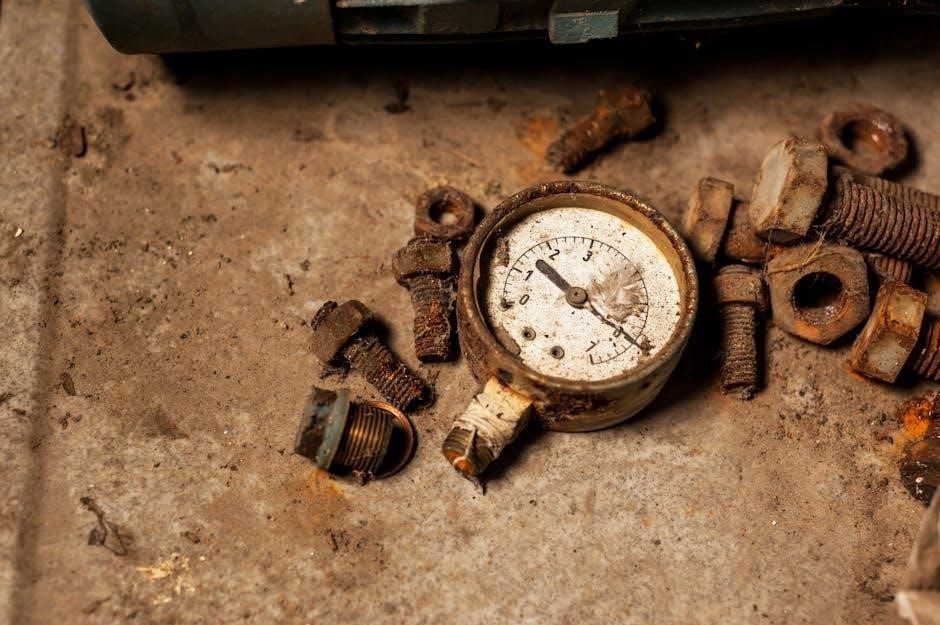
Locating the source of a leak is crucial for effective repair. Begin by visually inspecting all hose connections, ensuring they are tightly secured. Check around the pump, engine, and fuel system for any signs of fluid accumulation. A common leak point involves the high-pressure hose; examine it carefully for cracks or damage.
For minor leaks at connections, tightening the fittings may suffice. If a hose is damaged, replacement is necessary. Internal pump leaks often require professional servicing due to the complexity of the components. Fuel leaks demand immediate attention; shut off the fuel supply and address the issue promptly to prevent fire hazards. Always refer to the manual for specific component diagrams and recommended repair procedures.
Addressing Engine Overheating
Engine overheating can stem from several factors, including insufficient cooling, a clogged carburetor, or excessive load. First, ensure the cooling fins on the engine are clean and unobstructed. A dirty air filter restricts airflow, contributing to overheating; replace it as needed. Check the oil level – low oil compromises cooling efficiency.
If overheating persists, inspect the carburetor for debris that might cause a lean fuel mixture. A lean mixture generates higher combustion temperatures. Avoid prolonged operation under heavy loads, allowing the engine to rest periodically. Refer to your manual for the recommended oil type and cooling system maintenance schedule. Ignoring overheating can lead to severe engine damage.

Warranty Information
Your Simpson pressure washer is covered by a warranty against defects in materials and workmanship; details are within this manual, alongside customer support contact information.
Understanding Your Warranty
Simpson Cleaning Systems provides a warranty that safeguards against manufacturing defects and component failures within a specified timeframe, varying by model and part. This warranty typically covers the pump, engine (if applicable), and frame, but excludes wear items like nozzles and hoses.
To maintain warranty validity, adhere strictly to the maintenance instructions outlined in this manual. Improper use, modifications, or neglect can void coverage. Keep your purchase receipt as proof of date, and register your product online for streamlined claims.
The warranty does not cover damage resulting from misuse, accidents, or unauthorized repairs. Carefully review the complete warranty details included with your pressure washer or available on the Simpson website for precise terms and conditions.
Contacting Customer Support
Simpson Cleaning Systems offers multiple avenues for customer support, ensuring assistance is readily available when needed. For immediate help, consult the comprehensive FAQ section on their official website, www.simpsoncleaningsystems.com, which addresses common issues and provides helpful troubleshooting tips.
Alternatively, you can reach their dedicated customer support team via phone during business hours. Detailed contact information, including phone numbers and email addresses, is listed on the website’s “Contact Us” page. When contacting support, have your model number and purchase date readily available.
Simpson also provides access to digital copies of manuals and parts diagrams online, facilitating self-service repairs and maintenance. Their responsive team is committed to resolving your inquiries efficiently and effectively.