MOT Testing Guide and Inspection Manual ⎼ Comprehensive Plan (as of 12/12/2025)
This comprehensive guide details the UK’s annual MOT test, ensuring vehicles meet minimum road safety and environmental standards․
It’s a legal requirement for most vehicles over three years old, promoting safer roads for everyone․
The MOT test is a yearly inspection mandated by the United Kingdom government for most vehicles exceeding three years of age․ Officially known as the Ministry of Transport test, its primary purpose is to verify that vehicles meet the legally required minimum road safety standards and environmental regulations․ This isn’t a comprehensive mechanical check; rather, it focuses on key components crucial for safe operation․
A qualified, government-approved MOT tester conducts the inspection at a designated test centre; The test covers aspects like lights, brakes, steering, suspension, tyres, and exhaust emissions․ It also examines the vehicle’s structure for significant corrosion or damage․ Passing the MOT demonstrates the vehicle is roadworthy at the time of the test․
It’s important to understand that an MOT certificate doesn’t guarantee a vehicle is mechanically perfect or will remain so throughout the year․ It simply confirms it met the required standards on the day of the inspection․ Regular maintenance and servicing are still vital for ensuring ongoing vehicle safety and reliability․ The MOT is a vital component of road safety within the UK․
What Vehicles Require an MOT Test?

Generally, most vehicles over three years old are legally required to undergo an annual MOT test in the United Kingdom․ This encompasses a wide range of vehicle types, including cars, vans, and motorcycles․ However, there are several exemptions and specific rules that apply․
Vehicles not typically needing an MOT include those less than three years old, vehicles primarily used off-road, and certain historic vehicles (those built before 1960)․ Classic vehicles, depending on their date of manufacture, may also have different requirements․ Additionally, some vehicles are exempt if they fall under specific categories, such as those used solely for agricultural purposes․
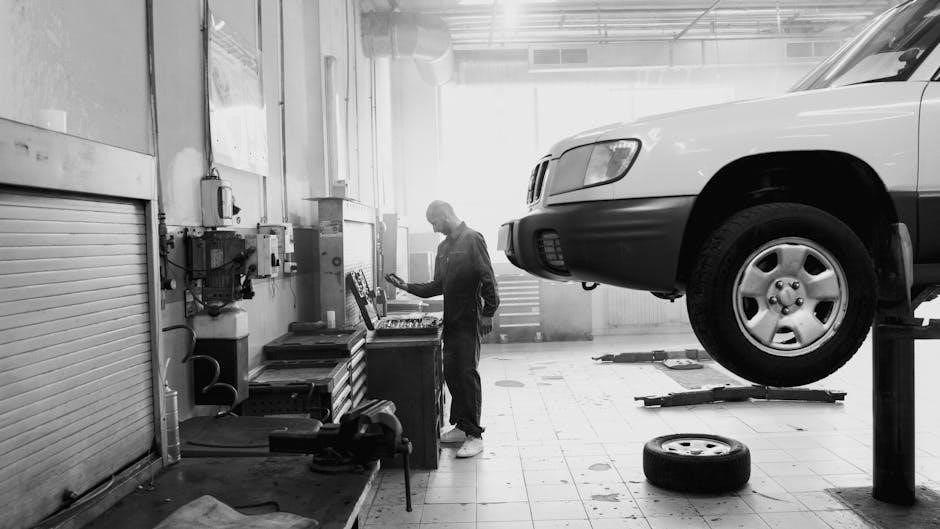
It’s crucial to verify your vehicle’s specific MOT requirements using the official government website․ The rules can be complex, and ownership changes or vehicle modifications can affect eligibility․ Failure to obtain a valid MOT certificate when required is a legal offense, potentially resulting in fines and points on your driving license․ Always check the latest guidelines to ensure compliance․
MOT Test Validity and Timing
An MOT certificate is generally valid for 12 months from the date of the test; It’s essential to renew your MOT before the existing one expires, as driving without a valid certificate is illegal and can lead to penalties․
You can book an MOT test up to one month before the current certificate’s expiry date․ Importantly, the new certificate’s validity date will be based on the expiry date of the existing certificate, not the test date․ This means you could potentially have up to 13 months of MOT cover․
However, you cannot legally drive the vehicle until a valid MOT certificate is issued․ It’s advisable to book your MOT well in advance, especially during peak times, to avoid last-minute rushes and potential delays․ Remember to factor in potential repair work if your vehicle fails the initial inspection, as this will impact when you can legally drive it again․ Proactive planning ensures continuous roadworthiness and legal compliance․
Finding an Approved MOT Test Centre
Locating an approved MOT test centre is straightforward thanks to the Driver and Vehicle Standards Agency (DVSA)․ The DVSA provides a comprehensive online search tool on their website, allowing you to find centres near your location by postcode or town․
When searching, it’s crucial to verify the centre’s approval status․ Approved centres display a blue sign with the MOT symbol․ Ensure the centre is authorized to test your specific vehicle type – not all centres can test all vehicles, particularly larger or more specialized ones․
Consider checking online reviews and ratings to gauge the centre’s reputation and customer service․ Factors like transparency, clear communication, and fair pricing are important․ Some centres offer additional services, such as repairs, but remember you are not obligated to use these․ Choosing an approved centre guarantees the test is conducted to the required DVSA standards, ensuring a reliable and legally compliant assessment of your vehicle’s roadworthiness․
Booking an MOT Test
Once you’ve identified an approved test centre, booking an MOT is typically done via phone, online, or in person․ Many centres now offer convenient online booking systems, allowing you to select a preferred date and time slot․ Booking in advance is highly recommended, especially during peak periods like March (before tax disc renewals) and around school holidays․
When booking, be prepared to provide your vehicle registration number (VRN) and potentially your vehicle’s mileage․ Some centres may require a deposit or full payment upfront․ Confirm the test price and any potential additional charges before confirming your booking․
Remember that your vehicle must be insured and have a valid road tax to be legally driven to the MOT test centre․ It’s also advisable to arrive on time for your appointment to avoid any delays or rescheduling․ The test itself usually takes between 45 and 60 minutes, but allow extra time for potential repairs if issues are identified․
Pre-MOT Inspection Checklist ― Owner’s Responsibility
While the MOT test is a thorough inspection, owners should proactively check several items before booking․ Ensuring basic functionality can prevent a failed test and costly repairs․ Start with all lights – headlights, indicators, brake lights, and number plate lights – verifying they’re working correctly․
Check tyre condition: tread depth must be above the legal limit (1․6mm), and there should be no bulges or cuts․ Windscreen wipers should effectively clear the screen, and the windscreen itself shouldn’t have significant cracks or damage obstructing the driver’s view․
Ensure the horn works, and check all seatbelts clip and unclip smoothly․ Top up all fluid levels – oil, coolant, brake fluid, and windscreen washer fluid․ Finally, confirm the number plates are clean, legible, and correctly displayed․ Addressing these points beforehand increases the likelihood of a successful MOT pass and keeps you safe on the road․
Lighting and Reflectors ⎼ Detailed Inspection
The MOT test rigorously examines all vehicle lighting and reflectors, ensuring they meet legal standards for visibility and safety․ Testers will check headlights for correct alignment, colour, and operation of both dipped and main beams․ Indicators must function correctly – all four, including hazard warning lights – with a consistent flash rate․
Brake lights are critical; each light must illuminate when the brake pedal is pressed․ Rear fog lights, if fitted, must also work․ Number plate lights must illuminate the plate sufficiently for it to be read clearly; Reflectors – front, rear, and side – are inspected for damage and reflectivity․
Any broken, missing, or incorrectly functioning lights will result in an MOT failure․ Lens colour must also comply with regulations․ Testers use specialized equipment to verify light intensity and beam pattern, ensuring optimal visibility for the driver and awareness for other road users․
Steering ― Examination Procedures
The MOT test includes a thorough examination of the vehicle’s steering system, focusing on safety and responsiveness․ Testers will first check for excessive play in the steering wheel, measured by moving it back and forth․ Steering components, including the rack, linkages, and ball joints, are inspected for wear, damage, and corrosion․
Power steering functionality is also assessed, checking for leaks and smooth operation․ The steering gaiters (rubber boots) protecting the steering joints are scrutinized for tears or damage, which could allow contaminants to enter․ The steering alignment isn’t directly tested during the MOT, but significant misalignment may indicate underlying issues․
Any excessive play, worn components, or leaks will lead to an MOT failure․ The tester will also verify that the steering operates smoothly and predictably throughout its full range of motion, ensuring driver control is maintained․ Proper steering is paramount for safe vehicle handling․
Suspension ― Component Checks
A critical part of the MOT test involves a detailed inspection of the vehicle’s suspension system, ensuring it maintains safe handling and stability․ Testers visually examine shock absorbers for leaks and corrosion, assessing their damping ability with a bounce test – excessive bouncing indicates failure․ Springs are checked for cracks or breakage, and their overall condition is evaluated․
Suspension arms, ball joints, and bushes are scrutinized for wear, damage, and excessive play․ Any worn or damaged components can compromise vehicle control and lead to an MOT failure․ Anti-roll bar linkages are also inspected for security and condition, as they play a vital role in reducing body roll during cornering․
The tester will assess the overall integrity of the suspension, looking for any signs of modification or damage that could affect its performance․ Proper suspension function is essential for safe braking and handling, contributing significantly to road safety․
Brakes ⎼ Performance and Condition Assessment
The brake system undergoes a rigorous assessment during the MOT test, focusing on both performance and condition․ Brake discs and pads are visually inspected for wear, scoring, and damage – minimum thickness requirements must be met․ Brake lines and hoses are checked for leaks, cracks, and corrosion, ensuring hydraulic integrity․
A brake performance test is conducted using a roller brake tester, measuring the braking efficiency of each wheel․ Imbalances in braking force between axles or individual wheels will result in failure․ The handbrake (parking brake) is also tested for sufficient holding force, particularly on an incline․
Testers examine the brake cylinders and calipers for leaks and proper operation․ ABS (Anti-lock Braking System) functionality is checked where fitted, verifying the warning light illuminates and extinguishes correctly․ Overall, the brake assessment ensures the vehicle can stop safely and effectively, a crucial safety component․
Tyres and Wheels ⎼ Legal Requirements
Tyre condition is a critical aspect of the MOT test, ensuring road safety and adherence to legal standards․ Tyres must have a minimum tread depth of 1․6mm across the central three-quarters of the tyre’s width, throughout its circumference․ Testers use a tread depth gauge to verify this requirement․
Tyre sidewalls are inspected for cuts, bulges, and abrasions that could compromise structural integrity․ Wheels are checked for damage, such as cracks or significant dents, which could affect their strength․ Wheel fixings must be secure and tightened to the correct torque․
Tyre size and type must be appropriate for the vehicle and axle load․ Mixing tyre types (e․g․, summer and winter) on the same axle is generally prohibited․ Run-flat tyres are inspected for damage and correct functionality․ Compliance with these regulations is vital for safe vehicle operation and a successful MOT pass․
Exhaust System ⎼ Emissions and Safety
The exhaust system undergoes rigorous inspection during the MOT test, focusing on both emissions control and structural safety․ Vehicles are tested for excessive exhaust emissions, specifically hydrocarbons (HC), carbon monoxide (CO), and nitrogen oxides (NOx), using a gas analyser․ Emission levels must fall within legal limits defined by vehicle type and fuel․
The entire exhaust system is visually inspected for leaks, corrosion, and secure mounting․ Any significant damage or deterioration can lead to a test failure․ Catalytic converters, if fitted, are checked for proper function and physical integrity․ Silencers must be securely attached and effective in reducing noise levels․
The MOT tester will verify that exhaust gases are safely directed away from occupants and that there are no dangerous exhaust leaks․ Compliance with emission standards and a structurally sound exhaust system are crucial for both environmental protection and passenger safety․
Vehicle Structure ― Corrosion and Damage
A thorough examination of the vehicle’s structure is a critical component of the MOT test, assessing for corrosion, damage, and excessive wear․ Testers inspect key structural elements including the chassis, body shell, floor, and subframes․ Significant corrosion that compromises structural integrity will result in a failure․
Particular attention is paid to areas prone to corrosion, such as wheel arches, sills, and underbody sections․ Damage from accidents, including dents, cracks, or repairs, are evaluated to ensure they don’t negatively impact safety․ Sharp edges resulting from damage must be removed or covered to prevent injury․
The MOT test doesn’t assess the cosmetic appearance of damage, but focuses on its structural implications․ Excessive welding without proper certification may also lead to a failure․ A structurally sound vehicle is paramount for occupant protection in the event of a collision․
Seat Belts ⎼ Functionality and Condition
The proper functioning of seat belts is a non-negotiable aspect of the MOT test, directly impacting occupant safety․ Testers meticulously check all seat belts – front and rear – for correct operation, damage, and security․ Buckles are examined for smooth release and secure locking mechanisms․
Webbing is inspected for cuts, fraying, or excessive wear․ Any damage compromising the belt’s strength will result in a failure․ Pretensioners, designed to tighten the belt during a collision, are checked for correct functionality․ Seat belt mounting points are also scrutinized for security and integrity․
The MOT test covers both lap and diagonal belts, ensuring all occupants are adequately protected․ Incorrectly fitted or modified seat belts are also considered a failure․ A fully functional seat belt system is vital for minimizing injury during a vehicle accident, and is a legal requirement․
Windscreen and Visibility ― Damage Assessment
Clear visibility is paramount for safe driving, and the MOT test places significant emphasis on the condition of the windscreen and other glass components․ Testers assess the windscreen for cracks, chips, and damage within the driver’s sweeping area – Zone A – which is subject to stricter criteria․
Damage exceeding 40mm in Zone A, or 10mm within the driver’s direct line of sight, will result in a failure․ Damage outside Zone A has more lenient limits, but still requires assessment․ Windscreen wipers and washers are also tested for effective operation, ensuring they clear the windscreen adequately․
The test also examines the structural integrity of the windscreen bonding․ Any signs of lifting or deterioration are considered a failure․ Visibility is also assessed through all windows, ensuring they are clean and free from obstructions․ A compromised windscreen significantly reduces driver visibility and structural safety․
Fuel System ⎼ Leak Checks
The fuel system’s integrity is crucial for both safety and environmental protection, and the MOT test includes thorough leak checks․ Testers visually inspect all fuel lines, the fuel tank, and the fuel filler cap for any signs of leaks or damage․ Particular attention is paid to connections and joints, as these are common areas for fuel seepage․

The inspection extends to the fuel pump and fuel filter, ensuring they are securely mounted and free from leaks․ Testers may use a flashlight to aid visibility in hard-to-reach areas․ Any detectable fuel leak, regardless of size, constitutes an immediate MOT failure․
The fuel cap is also checked for a secure seal, preventing fuel vapor emissions․ Modern vehicles with complex fuel injection systems undergo additional scrutiny․ A leaking fuel system poses a significant fire risk and contributes to harmful environmental pollution, making this a critical safety check․
Battery Condition and Security
The vehicle battery’s condition and secure mounting are vital components of the MOT test, ensuring reliable vehicle operation and preventing potential hazards․ Testers visually inspect the battery casing for any cracks, damage, or excessive corrosion around the terminals․ Corrosion can impede electrical flow and compromise the battery’s performance․
Crucially, the battery must be securely fastened to its tray or mounting bracket․ Any movement of the battery during vehicle operation could lead to short circuits or damage to surrounding components․ The battery terminals are checked for tightness and proper connection․ Loose terminals can cause intermittent electrical faults and starting problems․

While a full battery load test isn’t typically part of the MOT, a severely discharged or visibly failing battery may raise concerns․ The acid level (if applicable) is also briefly assessed․ A compromised battery poses a safety risk and can affect the functionality of other vehicle systems, necessitating a pass or fail decision․
Vehicle Identification Number (VIN) Verification
A critical step in the MOT test is verifying the Vehicle Identification Number (VIN)․ This unique 17-character code acts as the vehicle’s fingerprint, confirming its identity and history․ The VIN is checked against official records to ensure it matches the vehicle’s documentation, such as the V5C registration document․
The VIN is typically located in several places on the vehicle – often on the dashboard (visible through the windscreen), the engine bay, or on the vehicle’s door pillar․ The MOT tester will physically inspect the VIN plate to ensure it hasn’t been tampered with or altered in any way․ Any signs of manipulation immediately raise red flags․
A mismatch between the VIN on the vehicle and the documentation is a major failure item․ It could indicate vehicle theft, cloning, or other fraudulent activity․ Accurate VIN verification is therefore essential for maintaining vehicle security and preventing illegal practices․ Testers use specialized tools and databases to confirm VIN validity․
Dashboard Warning Lights ― Interpretation
During the MOT test, the tester will check for illuminated dashboard warning lights․ These lights indicate potential issues with various vehicle systems, and their presence can lead to a test failure․ It’s not simply about whether a light is on, but why it’s on․ The tester will use diagnostic equipment to retrieve fault codes associated with the illuminated lights․
Common warning lights include the Engine Management Light (EML), ABS warning light, Brake warning light, and Airbag warning light․ An illuminated EML often indicates an issue with the engine or emissions system, potentially leading to a failure․ Similarly, ABS or Brake warning lights signal problems with the braking system, posing a safety risk․

The tester will assess whether the warning light is a current fault or a historical one․ Some lights illuminate briefly during the vehicle’s start-up sequence and are not indicative of a problem․ However, a persistently lit warning light requires investigation and may result in a failure if it affects the vehicle’s safety or emissions compliance․
Common MOT Failure Items
Certain defects consistently lead to MOT test failures․ Understanding these common issues can help vehicle owners proactively address potential problems before the test․ Tyre condition is a frequent cause of failure, with insufficient tread depth or damage being primary concerns․ Faulty brakes, including worn pads, discs, or leaking hoses, are also common reasons for rejection․
Lighting and signalling defects are prevalent, encompassing broken bulbs, damaged lenses, or incorrect colour output․ Issues with the suspension system, such as worn shock absorbers or damaged springs, frequently result in failure․ Excessive exhaust emissions are another common problem, particularly for older vehicles․
Structural corrosion, especially in load-bearing areas, is a serious safety concern and will lead to a failure․ Problems with seatbelts, like damaged buckles or frayed webbing, are also critical․ Windscreen damage within the driver’s line of sight is a common, easily avoidable failure point․ Addressing these areas beforehand significantly increases the chances of a successful MOT․
What Happens if Your Vehicle Fails the MOT?
If your vehicle fails its MOT test, you’ll receive a ‘failure’ certificate listing all the defects identified․ It is illegal to drive the vehicle on public roads until the necessary repairs have been completed․ The test centre will provide a VT30 form detailing the failures․
You have the option to have the repairs carried out at the test centre, or you can take the vehicle elsewhere․ If repairs are done at the original test centre, they can perform a ‘partial re-test’ focusing only on the failed items․ This is generally quicker and cheaper than a full re-test․
A full re-test is required if you choose a different repair facility or if the repairs are substantial․ You typically have 28 days to complete the repairs and have the vehicle re-tested․ After this period, a full MOT test will be necessary․ Keep all repair invoices as proof of work completed․ A pass certificate will be issued once all faults are rectified․
Re-test Options and Timeframes
Following an MOT failure, several re-test options are available, each with specific timeframes․ A ‘partial re-test’ is possible if repairs are completed at the original test centre, focusing solely on the failed items․ This is the most efficient route, typically costing less․

However, a full re-test is mandatory if you choose a different garage for repairs or if the issues are significant․ You generally have 28 calendar days from the initial test date to rectify the faults and book a re-test․ After 28 days, a complete MOT test – at the full cost – is required, regardless of where the repairs were done․
It’s crucial to retain all repair invoices as proof of work completed․ The re-test itself usually takes around an hour, but this can vary․ If the re-test is successful, a valid MOT certificate will be issued․ Failure to re-test within the timeframe means repeating the entire MOT process․
Appeals Process for MOT Test Results
If you disagree with an MOT test result, a formal appeals process exists․ Initially, discuss your concerns directly with the test centre – often, a misunderstanding can be resolved quickly․ If this fails, you can appeal to the Driver and Vehicle Standards Agency (DVSA)․
The DVSA appeal must be submitted within 14 days of the test date, and requires detailed evidence supporting your claim․ This evidence could include repair invoices, expert opinions, or photographic proof․ The DVSA will independently review the test and may request further information from the test centre․
Appeals are typically handled online through the DVSA website․ A successful appeal will usually result in a free re-test or a refund of the original test fee․ However, be aware that frivolous appeals may not be upheld․ The DVSA’s decision is final, although further legal avenues may exist in exceptional circumstances․
Recent MOT Test Changes and Updates
The MOT test undergoes periodic revisions to reflect advancements in vehicle technology and safety standards․ As of December 12th, 2025, several key updates are in effect․ These include stricter assessments of diesel particulate filter (DPF) functionality, ensuring compliance with emissions regulations․
Enhanced checks on electric vehicle (EV) components are now standard, focusing on battery security and charging systems․ Revised guidance on tyre condition has been issued, clarifying acceptable wear limits and damage criteria․ Furthermore, the DVSA has increased scrutiny of Advanced Driver Assistance Systems (ADAS), like lane departure warning and automatic emergency braking․
These changes aim to improve road safety and reduce environmental impact․ MOT testers receive ongoing training to stay abreast of these updates․ Vehicle owners are encouraged to consult the official DVSA website for the most current information and guidance․ Staying informed about these changes is crucial for ensuring your vehicle passes its MOT test․