Prayer and fasting are powerful spiritual disciplines, deeply rooted in biblical tradition, offering a unique pathway to connect with God and experience His transformative power․
Jesus expected His followers to engage in fasting, emphasizing that God actively rewards such devotion, strengthening faith and fostering a deeper relationship․
Christians are called to seek God through these practices, mirroring Jesus’ own example of dedicated prayer and intentional fasting, leading to spiritual growth․
What is Spiritual Fasting?
Spiritual fasting transcends mere abstinence from food; it’s a deliberate act of setting aside earthly desires to intensely focus on a deeper connection with God․ It’s a time for heightened prayer and seeking divine guidance, allowing God’s presence to permeate every aspect of your being․
This discipline, taught within the Bible, isn’t about earning favor but about humbling oneself before God, creating space for His voice to be heard amidst the noise of daily life․ Jesus modeled this, and expected His followers to do the same․
Fasting isn’t simply about what you give up, but why – it’s a conscious choice to prioritize spiritual nourishment over physical gratification, fostering increased sensitivity to God’s will․
The Biblical Basis for Fasting
Fasting is deeply embedded within the scriptures, appearing throughout both the Old and New Testaments․ Biblical figures like Moses, David, and Esther all utilized fasting as a means of seeking God’s intervention during times of crisis or important decision-making․
Jesus Himself fasted for forty days before beginning His ministry, demonstrating its significance as a spiritual preparation․ He also expected His disciples to fast, acknowledging it as a natural response to grief or spiritual need․
The Bible reveals that God rewards fasting, not as a requirement, but as a demonstration of sincere humility and devotion, opening the door for divine encounters and powerful answers to prayer․
The Connection Between Prayer and Fasting
Prayer and fasting are not isolated practices, but rather powerfully synergistic disciplines․ Fasting intensifies prayer by removing distractions and focusing the spirit, creating a heightened sensitivity to God’s voice․
When we abstain from food, we symbolically acknowledge our dependence on God, shifting our focus from physical needs to spiritual realities․ This creates space for deeper communion and a more earnest plea for divine guidance․
God has chosen to unleash His power when His followers combine fervent prayer with humble fasting, allowing Him, His Word, and His will to take precedence․
Types of Fasts
Fasting encompasses various approaches, including normal, absolute, water, juice, and the partial Daniel Fast, each offering unique spiritual benefits and levels of intensity․
Normal Fast
A Normal Fast typically involves abstaining from all solid food, while still permitting water intake․ This approach allows for continued hydration and bodily function while focusing spiritual energy․
It’s considered a foundational practice, suitable for those new to fasting or seeking a moderate level of discipline․ The primary goal isn’t physical deprivation, but rather creating space for intensified prayer and deeper communion with God․
This type of fast facilitates increased sensitivity to the Holy Spirit and allows for focused intercession․ It’s a practical step towards breaking spiritual strongholds and seeking divine guidance․
Absolute Fast
An Absolute Fast represents the most intense form of fasting, involving complete abstinence from both food and water for a defined period․ This rigorous discipline demands careful consideration and is generally undertaken for a short duration․
It’s often reserved for moments of profound spiritual crisis or intense seeking of God’s will, mirroring biblical examples of extreme repentance and dependence on divine intervention․
Due to its demanding nature, medical consultation is strongly advised before attempting an absolute fast․ The focus is entirely on unwavering prayer and complete surrender to God’s leading․
Water Fast
A Water Fast involves abstaining from all food while consuming only water․ This is a commonly practiced form of fasting, considered more sustainable than an absolute fast for extended periods․
It allows the body to detoxify and refocuses spiritual energy on prayer and seeking God’s guidance, minimizing distractions related to food preparation and consumption․
While generally safer than an absolute fast, it’s still crucial to listen to your body and potentially consult a healthcare professional, especially with pre-existing health conditions․
Juice Fast
A Juice Fast involves consuming only fresh fruit and vegetable juices during the fasting period, providing some nutrients while still restricting solid food intake․
This method can be less strenuous than a water fast, offering vitamins and minerals to support the body during detoxification and spiritual focus․
It’s often chosen by those new to fasting or seeking a gentler approach, allowing for continued energy levels while prioritizing prayer and connection with God․
However, be mindful of sugar content in juices and prioritize vegetable-based options․

Partial Fast (Daniel Fast)
The Daniel Fast, inspired by the prophet Daniel’s dietary practices, is a partial fast restricting certain foods while emphasizing plant-based nutrition․
Typically, it excludes meat, sweets, processed foods, and leavened bread, focusing on fruits, vegetables, whole grains, legumes, and water․
This approach aims to promote spiritual clarity and discipline through mindful eating, aligning the body with focused prayer and seeking God’s guidance․
It’s considered a sustainable and healthy option, fostering a deeper connection with God through intentional self-denial and nutritional choices․

Preparing for a Prayer and Fasting Season
Preparation is key! Setting intentions, choosing a fasting method, creating a prayer schedule, and preparing your environment will maximize your spiritual experience․
Setting Intentions and Goals
Before embarking on a prayer and fasting journey, clearly define your “why․” What specific areas of your life require divine intervention? Are you seeking repentance, guidance, or breakthrough for others?
Establishing focused intentions transforms the process from a mere religious act into a purposeful pursuit of God’s will․
Write down your goals, making them specific, measurable, achievable, relevant, and time-bound (SMART)․
This clarity will sustain your commitment throughout the 21-day period, anchoring your prayers and fasting in a tangible purpose․ Begin with thanksgiving, acknowledging God’s blessings․

Choosing a Fasting Method
Selecting the right fasting approach is crucial for a sustainable and impactful experience․ Consider your health, lifestyle, and spiritual goals when deciding․
Options range from a normal fast (abstaining from all food), a water fast (consuming only water), to a juice fast (fruit/vegetable juices)․
The Daniel Fast, a partial fast, involves consuming fruits, vegetables, and whole grains, mirroring Daniel’s dietary choices in the Bible․
Pray for discernment to choose a method that challenges you without compromising your well-being․ Prioritize a method you can consistently maintain throughout the designated period․
Creating a Prayer Schedule
A structured prayer schedule is vital for maximizing the benefits of your prayer and fasting season․ Designate specific times throughout the day for focused prayer, treating these appointments with God as non-negotiable․
Consider incorporating different prayer styles – adoration, confession, thanksgiving, and supplication – to create a well-rounded approach․
Allocate time for Scripture reading and meditation, allowing God’s Word to shape your prayers and deepen your understanding of His will․
Be realistic and flexible, adjusting your schedule as needed, but remain committed to consistent, intentional prayer․
Preparing Your Environment
Creating a conducive environment is crucial for focused prayer and successful fasting․ Designate a quiet, distraction-free space where you can connect with God without interruption․
Minimize exposure to tempting foods or activities that might hinder your fast, fostering discipline and intentionality․
Surround yourself with reminders of your commitment – Scripture verses, inspirational quotes, or objects symbolizing your spiritual goals․
Consider incorporating calming elements like soft lighting, peaceful music, or nature sounds to enhance your prayer experience․
The Benefits of Combining Prayer and Fasting
Combining prayer and fasting cultivates spiritual clarity, heightened sensitivity to God, and breaks spiritual strongholds, unlocking divine guidance and a deeper connection․
Spiritual Clarity and Discernment
Fasting, coupled with fervent prayer, creates a unique space for God to unveil His will and purpose with remarkable clarity․ By intentionally abstaining from physical nourishment, we quiet the distractions of the body, allowing the Spirit to speak more audibly to our hearts and minds․
This focused state enhances our discernment, enabling us to distinguish between God’s voice and the clamor of the world․
Through this discipline, we gain a sharper understanding of our calling, navigate complex decisions with wisdom, and align our lives more fully with God’s divine plan․
Increased Sensitivity to God
Prayer and fasting work synergistically to heighten our spiritual awareness, fostering a profound sensitivity to God’s presence and guidance․ As we intentionally deny ourselves physical comforts, we create room for the Holy Spirit to permeate our being, sharpening our spiritual senses․
This increased sensitivity allows us to perceive God’s subtle whispers, recognize His leading in everyday circumstances, and respond with greater obedience․
We become more attuned to His voice, experiencing a deeper intimacy and a more vibrant connection with the divine․
Breaking Spiritual Strongholds
Prayer and fasting possess a unique power to dismantle spiritual strongholds – those deeply entrenched patterns of sin, negative thinking, or destructive habits that hinder our spiritual growth․
By combining fervent prayer with the discipline of fasting, we declare our dependence on God and actively resist the forces of darkness․
This spiritual warfare weakens the enemy’s grip, breaks chains of bondage, and opens the door for freedom and healing․
Fasting clarifies our focus, intensifying our prayers and releasing God’s power to overcome obstacles․
Receiving Divine Guidance
Prayer and fasting create a sacred space where we become exceptionally receptive to divine guidance, allowing God to speak clearly into our lives․
When we intentionally quiet the distractions of the physical world through fasting, our spiritual senses become heightened, enabling us to discern God’s voice with greater clarity․
This focused devotion opens channels for prophetic insights, wise counsel, and direction for our future․
Through consistent prayer and fasting, we align our will with God’s, positioning ourselves to receive His perfect plan and purpose․
Practical Guidance for a 21-Day Prayer and Fast
Embarking on a 21-day prayer and fasting journey requires intentionality; posture your heart towards God with gratitude, acknowledging His blessings and unwavering faith․
Week 1: Focusing on Repentance and Confession
During the initial week of your 21-day prayer and fast, dedicate yourselves to heartfelt repentance and honest confession before God․ This is a time for deep introspection, acknowledging shortcomings, and seeking forgiveness for sins – both known and unknown․
Spend extended periods in prayer, specifically asking God to reveal any hidden areas of your life that need cleansing․ Be vulnerable and transparent in your confession, understanding that God’s grace is abundant and His mercy is new every morning․
Allow the Holy Spirit to guide you, prompting you to turn away from destructive patterns and embrace a life of righteousness․ This foundational week sets the stage for a deeper connection with God throughout the remaining fast․
Week 2: Seeking God’s Will and Direction
As you enter the second week of your prayer and fast, shift your focus towards earnestly seeking God’s will and divine direction for your life․ This involves surrendering your own plans and desires, and humbly asking for His guidance in all areas․
Dedicate specific prayer times to listening for God’s voice – whether through Scripture, prophetic words, or a gentle knowing in your spirit․ Be open to receiving guidance that may challenge your current path, trusting that God’s plan is always best․
Pray for clarity, wisdom, and discernment as you navigate important decisions, allowing God to lead you towards His purpose for your life․
Week 3: Intercession for Others
During this final week, expand your focus beyond personal needs and dedicate yourselves to fervent intercession for others․ Lift up your family, friends, community, and even those you may not know personally, praying for their healing, provision, and spiritual growth․
Remember that prayer and fasting amplify your intercession, allowing God to work powerfully in the lives of those you are praying for․ Be specific in your requests, believing that God hears and answers prayer․
Pray with compassion and empathy, seeking to align your heart with God’s heart for those in need․

Resources for Prayer and Fasting
Enhance your journey with prayer journals, downloadable fasting schedules, and insightful books designed to deepen your spiritual connection and guide your practice․
Prayer Journals and Guides
Utilizing a dedicated prayer journal can profoundly impact your prayer and fasting experience․ These resources provide structured spaces to record prayers, insights received during fasting, and track answered petitions․
Many journals offer prompts focused on repentance, seeking God’s will, and intercession, aligning perfectly with a 21-day fast’s phases․
PDF guides often supplement journaling, offering daily devotionals, scripture readings, and focused prayer points․
These tools help maintain consistency and deepen your personal connection with God throughout the season of spiritual discipline․
They encourage reflection and provide a tangible record of your journey․
Fasting Schedules and Plans (PDF Downloads)
Numerous PDF resources offer structured fasting schedules, catering to various levels of experience and commitment․ These plans often detail specific dietary restrictions – from complete abstinence to partial fasts like the Daniel Fast․
Many downloadable guides incorporate daily prayer focuses, aligning with the 21-day or 40-day frameworks commonly utilized by ICGC and other Christian communities․
PDFs provide a practical roadmap, easing the logistical challenges of fasting and ensuring a focused spiritual experience․
They often include tips for managing hunger and maintaining consistency․
These resources are invaluable for those new to prayer and fasting․
Books on Prayer and Fasting
Several impactful books delve deeply into the spiritual disciplines of prayer and fasting, offering theological insights and practical guidance for a transformative experience․
These resources explore the biblical foundations of fasting, examining its historical context and its significance in the lives of key figures․
Many books provide encouragement, helping readers overcome challenges like physical hunger and emotional difficulties․
They often emphasize the importance of aligning fasting with heartfelt prayer and seeking God’s will․
These texts aim to empower believers to cultivate a deeper connection with God․
Addressing Common Challenges

Fasting often presents hurdles like physical hunger, weakness, and emotional difficulties; maintaining consistency requires intentionality and reliance on God’s strength for success․
Physical Hunger and Weakness
Physical hunger and weakness are common experiences during a fast, representing a natural response of the body to reduced intake․ It’s crucial to acknowledge these sensations without immediately succumbing to them․ Remember that the purpose of fasting isn’t simply deprivation, but rather redirecting your focus from physical needs to spiritual connection with God․
Gradually reducing food intake before starting a fast can help minimize discomfort․ Staying hydrated is also vital; drink plenty of water throughout the day․ Listen to your body, and if weakness becomes debilitating, consider adjusting your fasting method․
Recognize that these physical challenges can be opportunities to practice self-discipline and dependence on God’s strength, deepening your faith throughout the process․
Emotional and Mental Difficulties
Fasting can stir up deeply rooted emotions and mental struggles, as the body’s physical discomfort often amplifies internal conflicts․ Old wounds, unresolved issues, and negative thought patterns may surface during this time of spiritual focus․ It’s essential to approach these challenges with self-compassion and honesty․
Increased time in prayer allows you to process these emotions and bring them before God, seeking His healing and guidance․ Journaling can also be a helpful tool for understanding and releasing pent-up feelings․
Remember that these difficulties are not a sign of failure, but rather an opportunity for deeper emotional and spiritual cleansing․
Maintaining Consistency
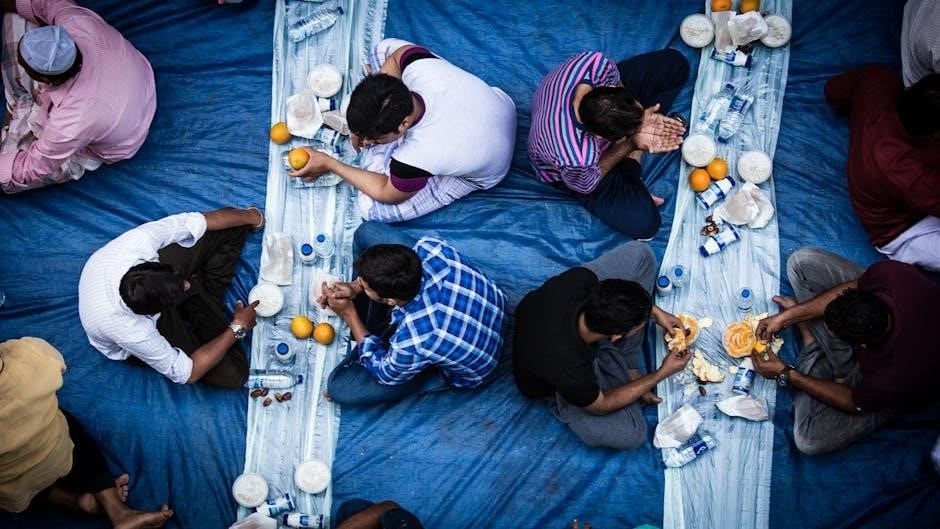
Consistency is key to reaping the full benefits of a prayer and fasting season, yet sustaining momentum can be challenging․ Life’s demands and unexpected events often threaten to derail your commitment․ Establishing a realistic schedule and building accountability are crucial steps․
Find a prayer partner or join a small group to share your experiences and encourage one another․ Prepare meals in advance to avoid temptation, and schedule specific times for prayer, treating them as non-negotiable appointments․
Remember that even small, consistent efforts are more valuable than sporadic bursts of intensity․

The Role of Thanksgiving During Fasting
As you begin your 21 days of prayer and fasting, cultivate a heart of thanksgiving, acknowledging God’s blessings and the gift of salvation․
Expressing Gratitude to God
During a season of prayer and fasting, intentionally shifting your focus to gratitude unlocks a deeper connection with the Divine․ Instead of dwelling on sacrifices made through fasting, actively acknowledge and celebrate the blessings already present in your life․
This practice transforms the fast from a mere deprivation into a powerful act of worship, recognizing God’s consistent provision and unwavering love․
Take time each day to specifically list and thank God for both big and small mercies, cultivating a spirit of contentment and joy even amidst challenges․
A thankful heart opens the door to receiving even more of God’s grace and favor․
Focusing on Blessings Received
As you embark on a 21-day prayer and fasting journey, deliberately redirect your thoughts towards recognizing the abundance of blessings in your life․ This intentional shift in perspective is crucial for maintaining a positive and hopeful spirit throughout the fast․
Recall specific instances where God has demonstrated His faithfulness, protection, and provision․
Journaling these blessings can be a powerful tool, solidifying your gratitude and strengthening your faith․
Remembering past victories fuels your confidence in God’s ability to work in your present circumstances․
Fasting as a Private Discipline
Most biblical fasts are presented as a personal matter between an individual and God, requiring dedicated prayer and a sincere heart focused on seeking Him․
Personal Connection with God
Fasting, when approached as a private discipline, cultivates an intimate and focused connection with God, removing distractions and intensifying spiritual awareness․ This intentional act of self-denial isn’t about outward show, but rather a heartfelt desire to draw closer to the Divine․
It’s a time for deep introspection, honest confession, and earnest seeking of God’s will․ Through focused prayer during a fast, individuals can experience a heightened sensitivity to the Holy Spirit’s guidance and a profound sense of God’s presence in their lives․
This personal communion strengthens faith and fosters a deeper, more meaningful relationship with the Creator․
Avoiding Public Display
Scripture emphasizes the importance of sincerity in spiritual practices, particularly fasting․ Jesus cautioned against making a public spectacle of religious acts, including fasting, to avoid seeking human praise․ The true value lies in the private connection forged with God during this time of devotion․
Maintaining humility and discretion ensures the focus remains solely on seeking God’s face, rather than garnering attention or recognition from others․ A genuine fast is a heartfelt offering to God, not a performance for an audience․
Authenticity in worship is paramount, fostering a deeper, more meaningful spiritual experience․

ICGC 40 Days of Power Fast
ICGC’s 40 Days of Power is a global prayer and fasting season, commencing June 26th, uniting Christians worldwide in seeking divine intervention and spiritual renewal․
Overview of the Program
The 40 Days of Power Fast, organized by ICGC, is a dedicated period for intense spiritual focus through combined prayer and fasting․ This initiative aims to deepen participants’ connection with God, fostering personal transformation and collective impact․ The program encourages believers to intentionally set aside time each day for focused prayer, coupled with a chosen form of fasting․
It’s designed to facilitate repentance, seek God’s will, and intercede for others, ultimately unleashing God’s power in individual lives and communities․ Participants are encouraged to utilize available resources, such as prayer journals and schedules, to maximize their experience during this significant spiritual journey․
Global Participation
The ICGC 40 Days of Power Fast isn’t confined by geographical boundaries; it’s a truly global movement uniting Christians worldwide in a shared commitment to prayer and fasting․ Churches and individuals across numerous nations actively participate, creating a powerful wave of collective intercession;
This widespread involvement fosters a sense of unity and shared purpose, amplifying the impact of the fast․ Participants connect through online platforms, sharing testimonies and encouraging one another throughout the 40-day period, demonstrating the universal call to seek God’s face together․
Concluding Thoughts on Prayer and Fasting
Prayer and fasting should extend beyond specific seasons, becoming a daily practice of seeking God’s presence and guidance in all aspects of life․
Continuing the Practice
The benefits experienced during a dedicated season of prayer and fasting shouldn’t simply vanish once the period concludes․ Instead, view this time as a catalyst for establishing lasting spiritual habits․ Integrate elements of intentional prayer – even brief moments throughout the day – to maintain consistent communication with God․
Consider incorporating regular, smaller fasts into your routine, perhaps one meal a week, to cultivate continued sensitivity and discipline․ Remember, the goal isn’t merely abstaining from food, but fostering a deeper, more intimate connection with the Divine․
Make seeking God’s face a non-negotiable part of your daily life, allowing His guidance to shape your decisions and direct your path․
Seeking God’s Face Daily
Establishing a daily practice of seeking God’s presence is paramount to sustained spiritual growth; This isn’t about adhering to rigid routines, but cultivating a heart posture of constant communion․ Begin each day with intentional prayer, expressing gratitude and surrendering your will to His․
Throughout the day, pause for brief moments of connection, acknowledging His presence in all circumstances․ Utilize resources like prayer journals to document insights and track answered prayers․
Remember, consistent, heartfelt communication is key to deepening your relationship with God․